

Rishikesh is a town on the banks of the River Ganga and a hub for rafting and water sports. From Dehradun, you can plan a day around the riverfront, Triveni Ghat or a rafting outing.
- Setting: A town on the Ganga.
- Getting there: Buses and taxis to Rishikesh are available from Dehradun. If your wider itinerary includes Haridwar, travel from Dehradun to Haridwar is another leg to plan separately.
- River activity: Rafting is available for novices and experienced participants, including non-swimmers.
- Ghat: Triveni Ghat is known for bathing and evening Ganga Aarti.
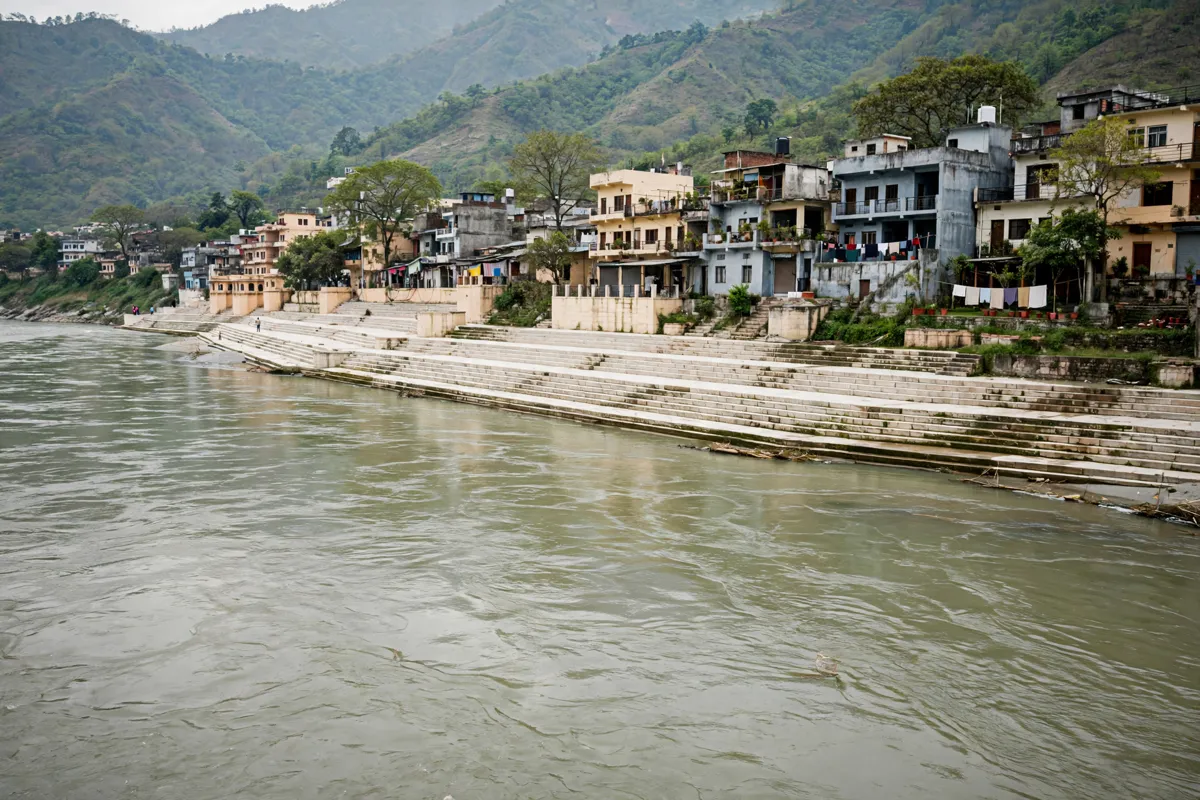
Planning a day trip to Rishikesh
A Rishikesh day trip from Dehradun can centre on the river, with a ghat visit or rafting as the main activity. Rishikesh sits on the Ganga and is a rafting and water-sports hub.
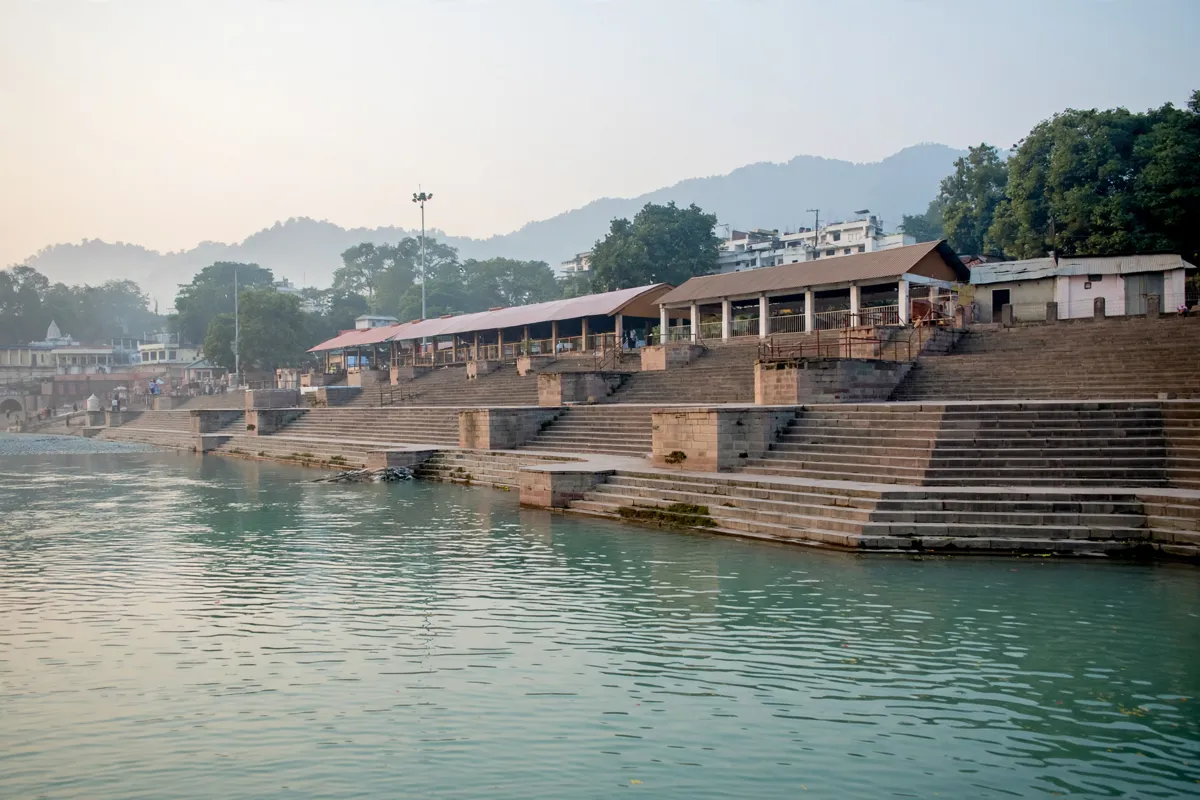
For a quieter plan, make Triveni Ghat the focus. It is the town’s best-known bathing ghat, where many pilgrims bathe before visiting Rishikesh’s temples. Ganga Aarti takes place there every evening.
If you want to include rafting, make that the anchor of the day and fit other stops around it. The activity is available to novices and experienced participants, including non-swimmers; the rules set age limits and safety requirements, so read the practical guidance below before choosing it.
How do you get from Dehradun to Rishikesh?
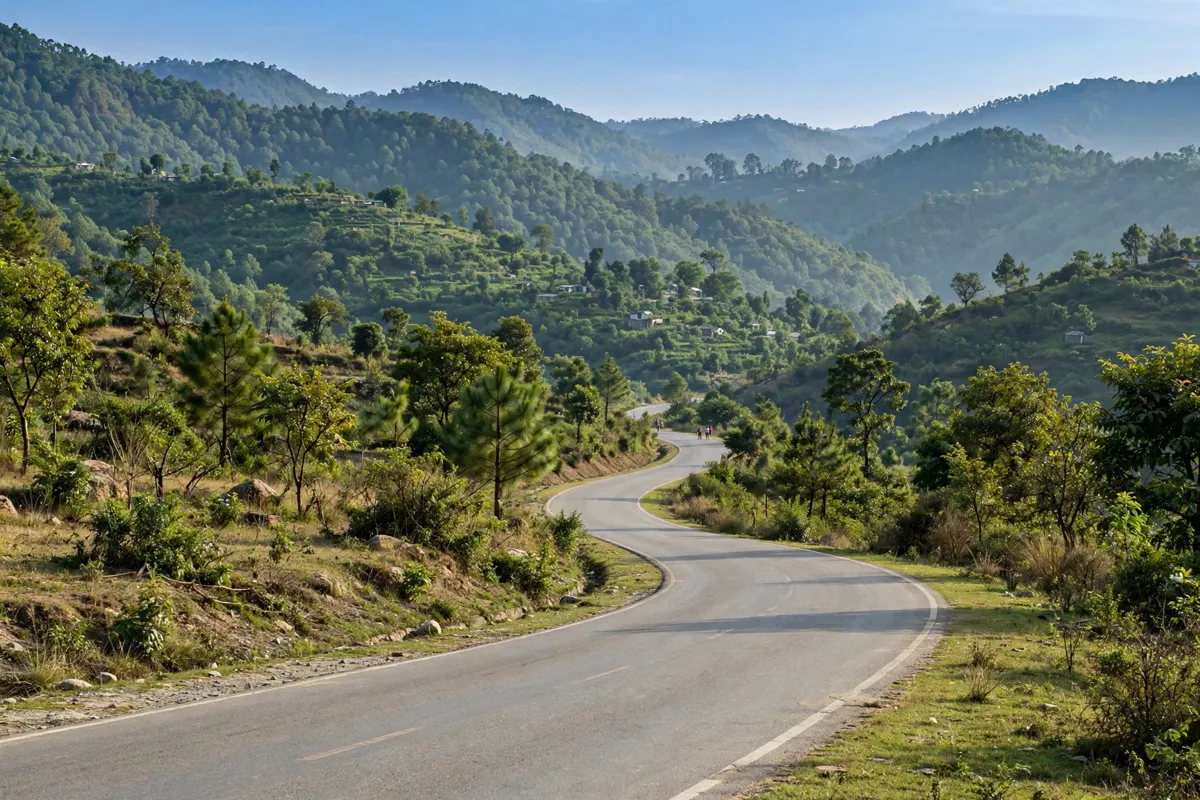
Buses and taxis run to Rishikesh from Dehradun, and the town is connected by motorable roads. It lies on National Highway 58, which connects to Badrinath.
From Mj Residency in Dehradun, you can arrange onward travel by bus or taxi. Check the official site before you go for current destination guidance.
Rishikesh Railway Station has frequent train connections, with onward taxis and buses to Muni-ki-Reti and Swargashram.
Choosing what to do with your time
Choose one main focus—the ghat or rafting—then add another stop only if it fits your day. Triveni Ghat combines a bathing-ghat setting with the evening Ganga Aarti; many pilgrims bathe there before visiting temples.
Laxman Jhoola is a suspension bridge across the Ganga on the old route to the Badrinath and Kedarnath shrines. It gives the day another river-focused point of interest, with a connection to the region’s pilgrimage routes.
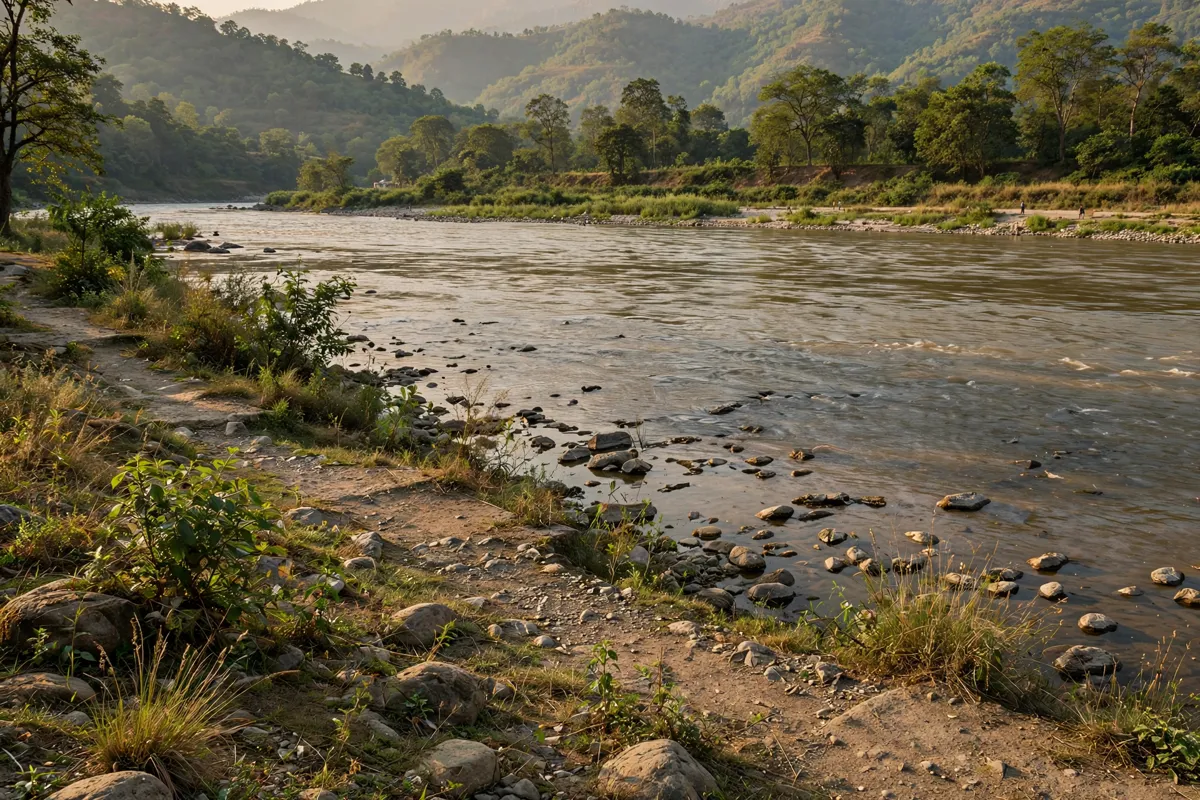
Rafting season runs from September through June. Check local access and operating arrangements before setting out.
Checking current access and local guidance
Before committing to rafting, check the rules and confirm arrangements with the operator. Uttarakhand’s rules prohibit participation by tourists younger than 14 or older than 60. They also prohibit alcohol and smoking during rafting or kayaking operations.
Helmets are required during rafting and kayaking, and guides must carry valid identity cards. These requirements apply alongside the activity’s availability to different experience levels; non-swimmers are included, but the rules still apply.
If you are arriving by train in Dehradun, how to get from Dehradun Railway Station to Mj Residency covers that part of your arrival planning.
FAQs
What is Rishikesh known for?
Rishikesh is a Ganga-side town known for rafting and water sports. It also has Triveni Ghat and Laxman Jhoola.
Can beginners go rafting in Rishikesh?
Yes. Rafting is available for novices as well as experienced participants, including non-swimmers, subject to Uttarakhand’s age and safety rules.
What happens at Triveni Ghat?
Many pilgrims bathe at the ghat before visiting temples, and Ganga Aarti is performed there every evening.
Is Rishikesh connected to pilgrimage routes?
Laxman Jhoola crosses the Ganga on the old route to the Badrinath and Kedarnath shrines.